

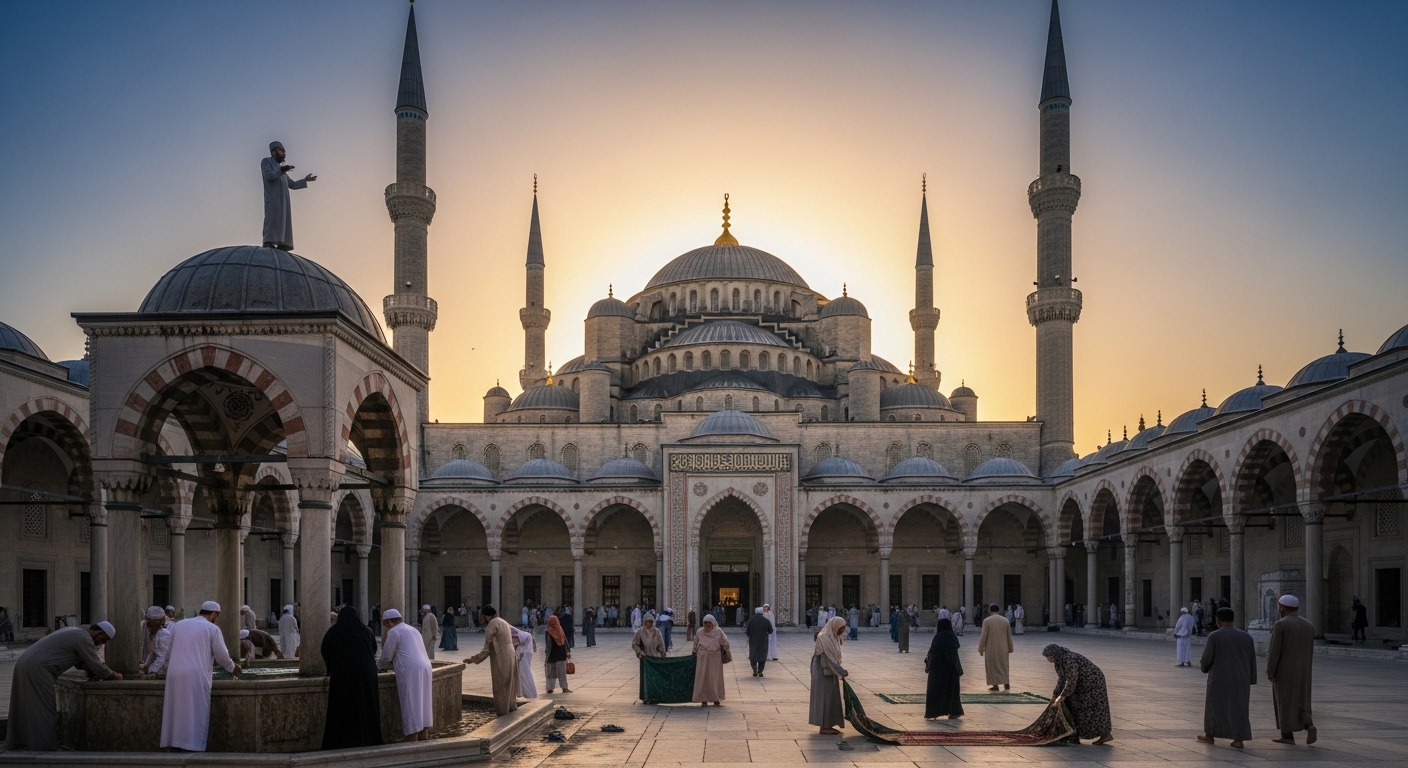
Call to Azan: A Complete Guide to Its History, Words, Timing, and Etiquette
The call to azan is one of the most important practices in Islam. It signals the time for prayer, reminding Muslims to pause their daily work and focus on worship. Heard from mosques across the world, the azan creates a sense of peace and spiritual connection. It is traditionally recited by a muezzin from a mosque minaret, but today, modern tools like apps and loudspeakers help millions hear it clearly. The azan is more than a sound—it is a daily reminder of faith, discipline, and community.
Learning about the call to azan also opens a window into Islamic culture and history. From Bilal ibn Rabah, the first muezzin, to the development of mosque minarets and digital azan apps, it has evolved while keeping its spiritual essence. This article explores the azan’s history, meaning, timing, words, etiquette, and cultural significance to give a complete guide for anyone interested in this essential Islamic practice.
What is the Call to Azan?
The call to azan (also called adhan) is the Islamic call for prayer. It is recited five times a day to signal the start of Salah. Traditionally, a muezzin recites it from the mosque minaret, but today, amplified loudspeakers and mobile apps help more people hear it.
Why it matters:
-
Spiritual reminder: Stops daily activity to focus on God.
-
Community connection: Unites Muslims across neighborhoods and cities.
-
Cultural tradition: Reflects centuries of Islamic practice.
The azan consists of set phrases praising Allah, affirming faith, and inviting believers to prayer. Hearing it daily strengthens discipline, spiritual awareness, and a sense of belonging to the global Muslim community.
History of the Call to Azan
The call to azan began during the time of Prophet Muhammad (PBUH). Bilal ibn Rabah, known for his clear voice and devotion, was the first muezzin. The practice spread quickly, becoming a core part of Muslim life.
Key historical points:
-
Early Medina: Bilal’s recitation helped organize communal prayers.
-
Mosque minarets: Built to project the azan across neighborhoods.
-
Global expansion: The azan became common wherever Muslims lived.
-
Modern tools: Loudspeakers and apps now extend its reach worldwide.
The azan’s history shows how Islam combined devotion with practical solutions for worship. It connects modern Muslims to centuries of tradition while adapting to technology.
Meaning and Importance of Azan
The call to azan is more than a prayer announcement. Each phrase carries deep meaning and reflects core Islamic beliefs. It reminds Muslims of God’s greatness, their faith, and the importance of daily prayers.
Importance of azan:
-
Reminder of Allah: Every phrase praises God.
-
Invitation to prayer: Encourages punctuality and discipline.
-
Community unity: Synchronizes worship across communities.
-
Cultural identity: Reflects Islamic traditions and history.
The azan also teaches mindfulness and respect for life. Hearing it connects believers to faith and tradition, while inspiring reflection and spiritual growth.
Timing of Azan: Daily Prayer Schedule
The call to azan is tied to the five daily prayers. Exact times depend on the sun’s position and location. Many Muslims use apps, websites, or mosque announcements to follow the schedule.
Daily prayers:
-
Fajr: Before sunrise. Starts the day with reflection.
-
Dhuhr: After midday. Pauses work for prayer.
-
Asr: Late afternoon. Reminds Muslims to stay mindful.
-
Maghrib: After sunset. Time to thank Allah.
-
Isha: Evening. Ends the day with devotion.
Using the azan ensures prayers are performed on time. It gives structure to daily life, combining spiritual focus with a sense of order and community connection.
How Azan is Performed
Traditionally, a muezzin recites the call to azan from a mosque minaret. Today, technology allows apps, online streams, and loudspeakers to share the azan widely.
How it is performed:
-
Muezzin: Recites clearly and correctly.
-
Order of phrases: Praises Allah, affirms faith, invites to prayer.
-
Modern methods: Digital apps, loudspeakers, and online streaming.
The azan is both a religious duty and a spiritual practice. Its clear recitation creates a sense of peace and connects Muslims to their faith and centuries of tradition.
Words of Azan and Their Meaning
The words of azan have specific meanings, guiding Muslims to prayer. Learning them helps understand the spiritual purpose behind each phrase.
Key phrases:
-
Allahu Akbar (God is Greatest): Reminder of God’s power.
-
Ashhadu an la ilaha illa Allah: Declaration of monotheism.
-
Ashhadu anna Muhammadur Rasul Allah: Confirms Prophet Muhammad (PBUH) as God’s messenger.
-
Hayya ‘ala-s-Salah: Call to perform prayer.
-
Hayya ‘ala-l-Falah: Call to success through worship.
These phrases are recited daily and create a rhythm that connects Muslims with God and the community. Apps and translations help non-Arabic speakers follow the azan anywhere.
 Cultural Significance of Call to Azan
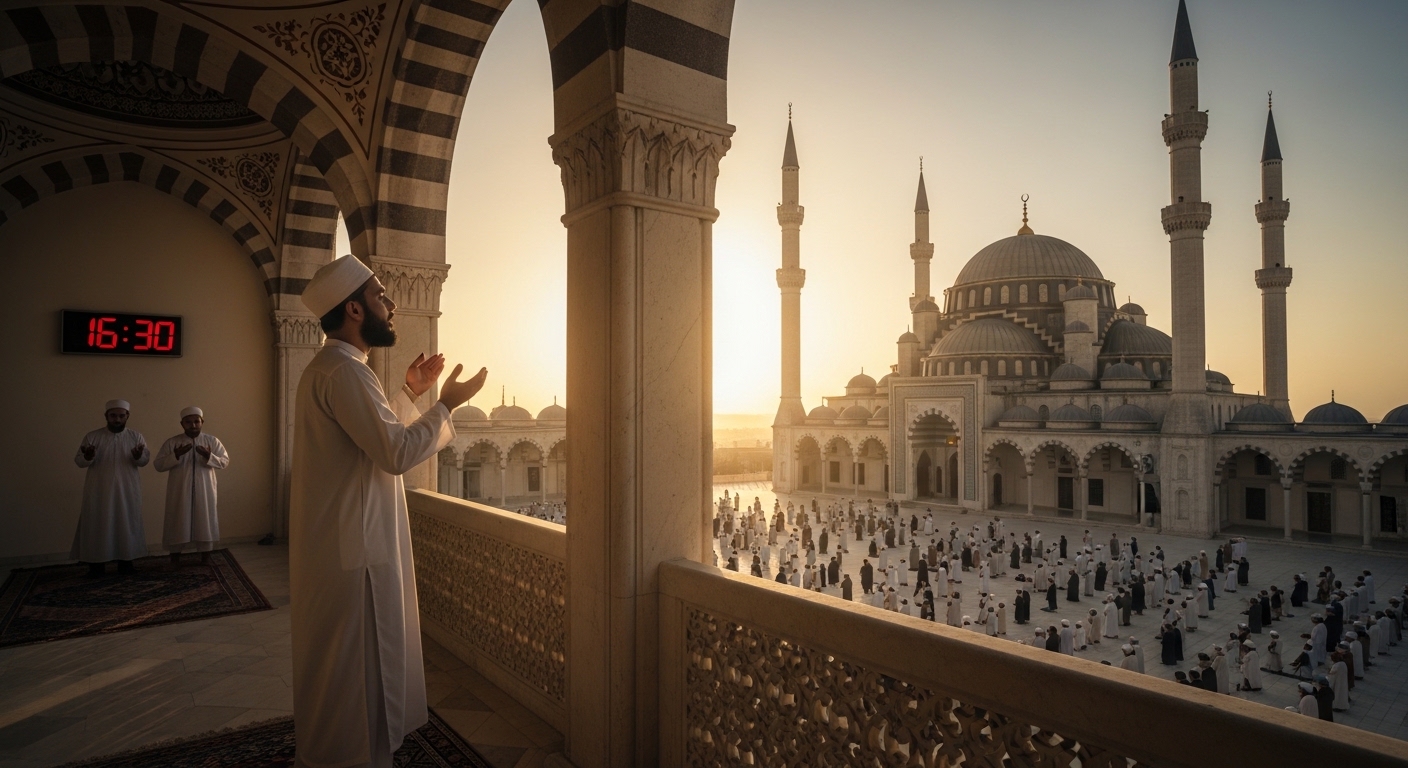
The call to azan is more than just a prayer announcement—it reflects Islamic culture around the world. Every country and community has its own traditions for azan, while the core phrases remain the same. From the melodic tones of Egypt to the soft recitations in Indonesia, the azan connects Muslims globally.
Key cultural points:
-
Regional styles: Each area has a unique tone and rhythm.
-
Community life: Hearing the azan unites neighbors and fosters social harmony.
-
Festivals and events: Special recitations during Ramadan or Eid highlight its cultural importance.
-
Global recognition: Non-Muslims often associate mosques and azan with Islamic culture.
By understanding these cultural aspects, readers can appreciate azan as both a spiritual and social practice that strengthens identity, unity, and tradition across Muslim communities worldwide.
How to Respond to the Call to Azan
Muslims are encouraged to respond respectfully to the call to azan. Responding properly shows devotion, discipline, and understanding of Islamic etiquette.
Ways to respond:
-
Stop daily activities: Pause work, conversation, or study when the azan is heard.
-
Recite prayers: Many say the silent “Du’a” or phrases like “Allahumma Rabba hadhihi’d-da’watit-tammah” after hearing azan.
-
Face the Qibla: Position oneself toward the Kaaba in prayer.
-
Reflect spiritually: Use the azan as a moment of mindfulness and gratitude.
Understanding how to respond makes the call to azan practical for daily life and increases the spiritual value of prayer.
Modern Adaptations of Call to Azan
The call to azan has evolved with technology, making it accessible worldwide. Digital tools help Muslims maintain their prayer schedules even far from a mosque.
Modern methods include:
-
Mobile apps: Provide azan notifications with customizable sounds and prayer timing alerts.
-
Loudspeakers: Extend the reach of mosque azan to neighborhoods.
-
Online streaming: Websites and platforms broadcast live azan globally.
-
Smart home devices: Some now play azan at scheduled times automatically.
These modern adaptations ensure that Muslims never miss prayers, strengthen connection with faith, and allow non-Arabic speakers to follow azan easily through translations.
Mosque Architecture and Calligraphy in Azan
Mosques are designed to enhance the experience of the call to azan. Minarets, domes, and calligraphy are not only decorative—they support the azan’s reach and spiritual atmosphere.
Key elements:
-
Minarets: Tall towers built to project the muezzin’s voice.
-
Domes: Amplify sound and symbolize spiritual openness.
-
Calligraphy: Quranic verses often decorate walls and minarets, linking the azan with Islamic art.
-
Community space: Mosques provide a gathering place where the azan signals collective worship.
These architectural and artistic features reinforce the importance of azan, blending beauty, function, and devotion in one experience.
Conclusion: The Call to Azan in Daily Life
The call to azan is a cornerstone of Muslim life. It teaches discipline, connects believers to God, and fosters community unity. From its origins with Bilal ibn Rabah to modern digital apps, the azan has adapted while preserving its spiritual essence.
Key takeaways:
-
Signals the five daily prayers and structures daily life.
-
Connects Muslims across neighborhoods, cities, and countries.
-
Combines history, culture, and technology for modern practice.
-
Encourages reflection, mindfulness, and devotion.
Understanding the azan fully means appreciating its spiritual, cultural, and practical importance in Islam.
FAQs
Can children learn the call to azan?
Yes, children are encouraged to learn azan. Many mosques provide lessons to teach pronunciation, meaning, and etiquette.
Is it necessary to hear azan from a mosque?
No, digital apps, loudspeakers, or online streams allow Muslims to follow prayer times anywhere.
What is the difference between azan and iqama?
Azan is the call to prayer, while iqama signals that the prayer is starting immediately inside the mosque.
How does azan impact daily life?
A: Azan structures the day, reminds Muslims of spiritual duties, and connects individuals to the global Muslim community.
Can non-Muslims listen to azan?
A: Yes, non-Muslims often hear the azan and can appreciate it as a cultural and spiritual tradition.